

The Need
Despite global wealth exceeding USD 450 trillion, developing countries face an annual USD 4.2 trillion financing gap to achieve their Sustainable Development Goals (SDGs) by 2030.
The Global Financing Gap
Across multiple independent assessments, a consistent conclusion has emerged: the scale of long-term investment required to sustain global development far exceeds the capacity of existing financial institutions and markets. Reports from the United Nations, the World Bank, the International Monetary Fund, the OECD, and multilateral development banks estimate that the annual financing gap for sustainable development, infrastructure, energy transition, and resilience now exceeds USD 4 trillion per year. Despite periods of increased capital availability, progress toward long-term development objectives has slowed or reversed in many regions, reflecting not a shortage of capital, but a shortage of institutions capable of deploying it at scale, over time, and across borders.
These findings consistently point to a deeper structural issue: global investment architecture has not kept pace with the nature of the challenges it is expected to address. Infrastructure systems, industrial transformation, climate adaptation, and economic resilience require capital that is patient, coordinated, and insulated from short political and market cycles. Yet much of today’s capital is intermediated through vehicles designed for shorter horizons and narrower mandates.
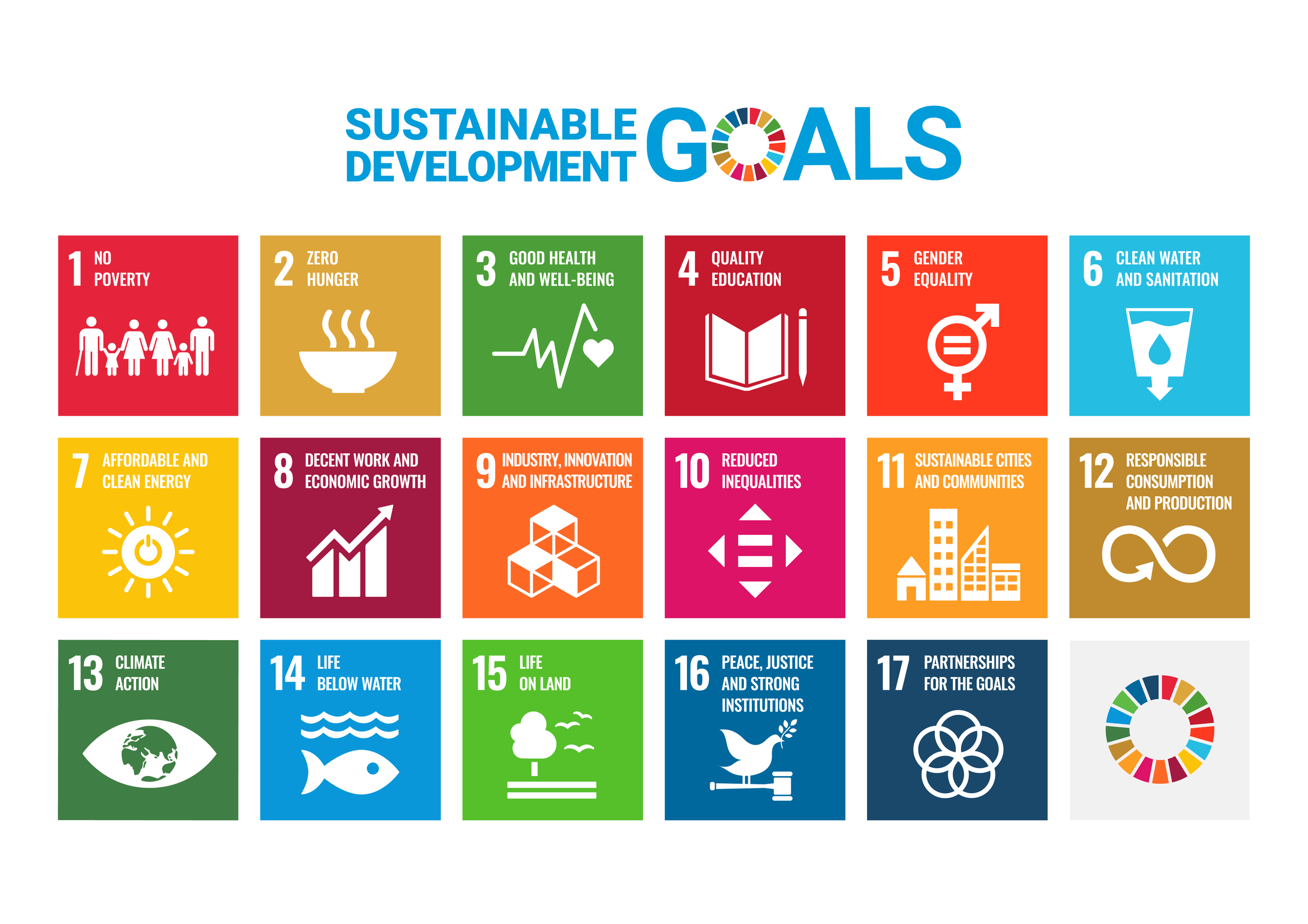
At the same time, sovereign wealth funds, public investment institutions, and long-term asset owners collectively manage more than USD 13 trillion in capital. Many of these institutions have mandates that extend beyond financial returns to include national development, resilience, and intergenerational outcomes. However, repeated analyses by international agencies highlight a systemic deficiency in the mechanisms available to deploy this capital efficiently into complex, large-scale investments—particularly in emerging markets and vulnerable economies.
Recent initiatives, including those focused on sovereign investment practices and impact-oriented capital, have further underscored this gap. They reflect a growing recognition that aligning long-term capital with public objectives requires not only intent, but institutional infrastructure: governance frameworks, execution platforms, and investment vehicles designed specifically for scale, duration, and complexity. The challenge, therefore, is not one of capital scarcity, but of institutional design.